
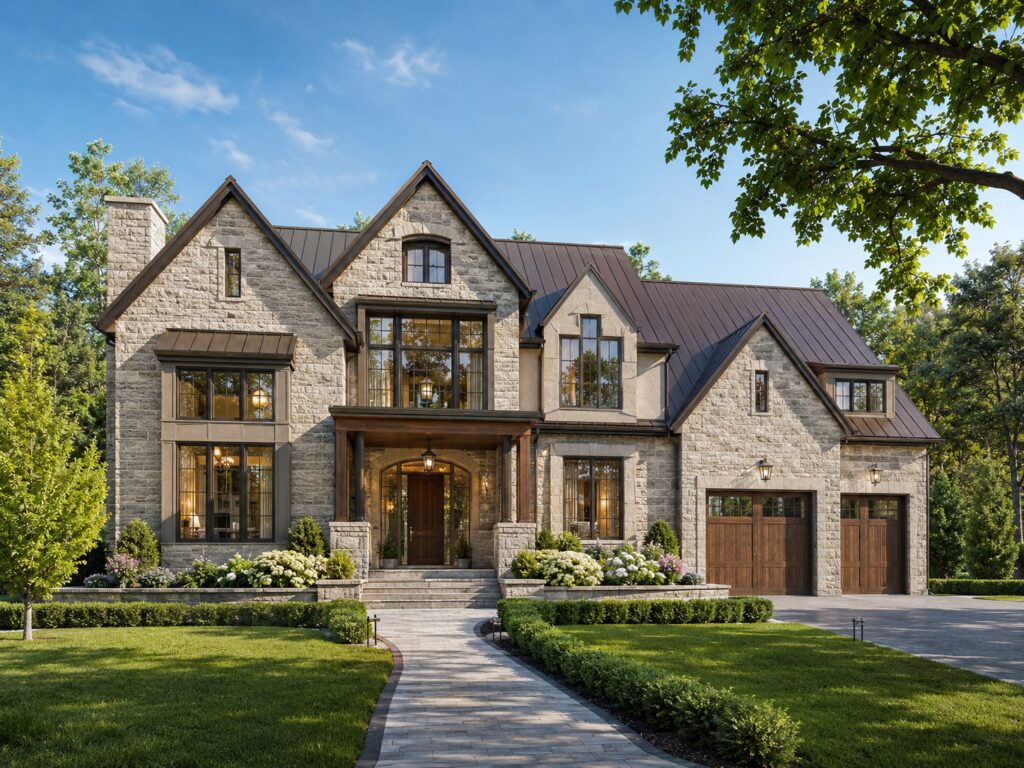
If you’re thinking of building a custom home, one of the first questions that will come up is: how long is this actually going to take? The answer truly is that it depends; however, you don’t have to be stuck guessing.
In short, most custom home builds in Ontario take somewhere between 12 and 18 months from first conversation to move-in day. Of course, some timelines can be shorter, and others can run a bit longer. What makes the difference is how well the pre-construction phase is managed, and whether your builder has a clear process before the construction process starts.
In this blog, we will discuss what a realistic timeline looks like, what can stretch it, and why the planning stage is one of the most important steps to finishing in a timely manner.
The Two Timelines You Need to Know About

Most people mainly think about the construction timeline as the only timeline. This is the part where crews are on-site and the home is visibly being built. However, there is a second timeline that runs before that, and since not many people think about it in advance, it can catch you off guard.
Pre-construction typically covers design, architectural drawings, engineering, permits, and finalized selections. In Ontario, this phase alone can take anywhere from 2 to 8+ months depending on the complexity of the space you’re planning to build, the municipality in which you’re building, and how prepared you are when you start.
Construction itself (from site prep to occupancy permit) can generally run from 8 to 12 months for most custom builds. So by adding the pre-construction and construction phase, you can estimate that a well-run project often lands in the 12 to 18 month range total.
The builds that don’t go as planned and extend over two-plus years, usually trace back to a pre-construction phase that wasn’t properly set up from the start.
Phase by Phase: What’s Actually Happening
Pre-Construction: 2–8 Months
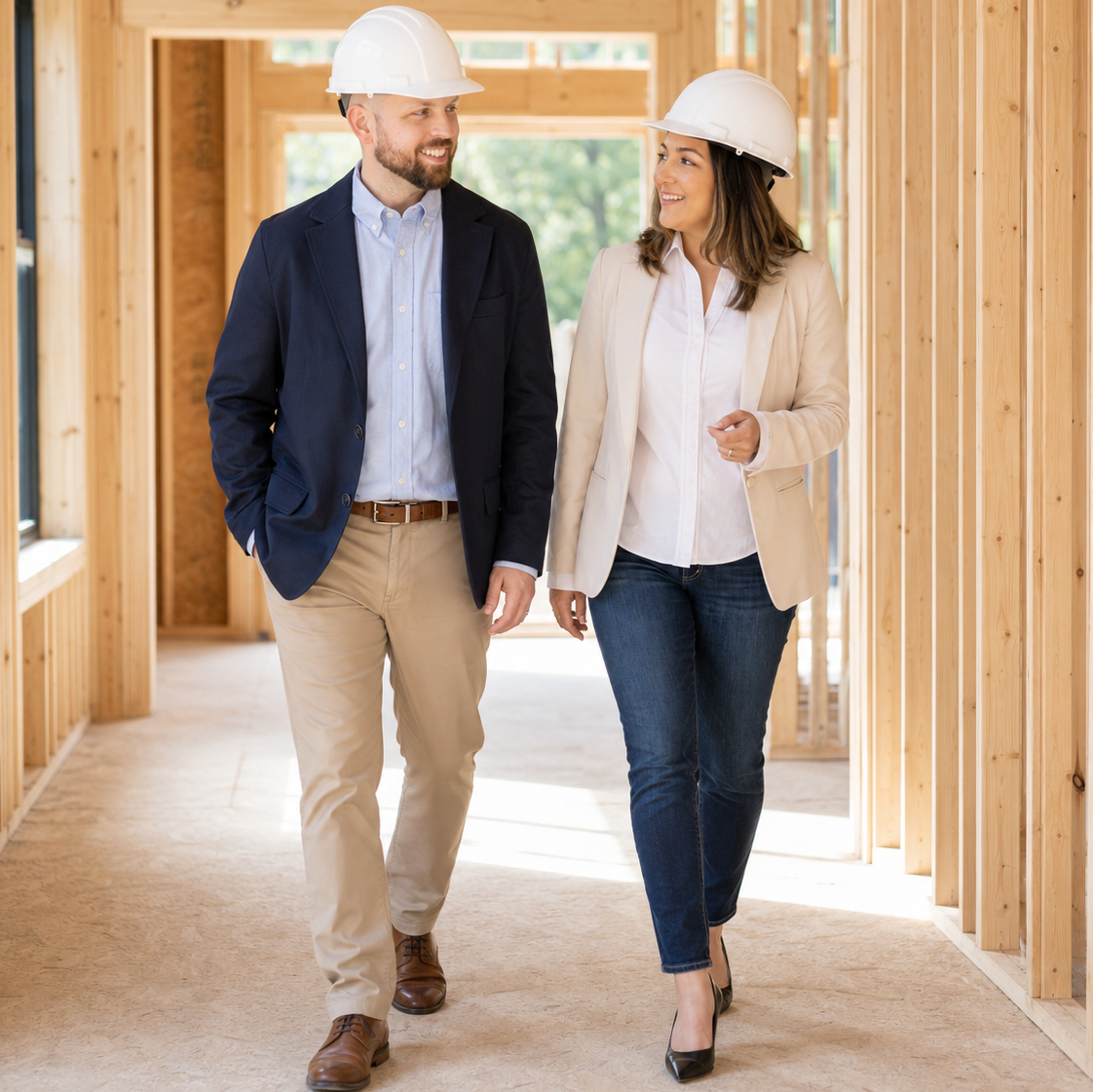
This is the stage where you will be finalizing the design, working through engineering, submitting permit applications, and making the major selections that will affect cost and schedule downstream. In the Southern Ontario area, building permit timelines vary by municipality and project scope, and it’s common to see reviews take 4 to 10 weeks even for straightforward applications. If you are dealing with conservation authorities expect this process to take much longer. That is why it is so important when buying land to check the zoning. Download our Lot Ready Checklist to learn more.
Decisions made (or delayed) in this phase have a compounding effect on everything that follows. A builder with a structured pre-construction process will walk you through each decision in the right order, reducing the chances of mid-build surprises.
Site Preparation and Foundation: 1–2 Months
Once permits are in hand, the site is cleared, excavated, and the foundation is poured. Depending on your area, this stage can be affected by weather. For example, late fall and winter starts can slow concrete curing times and add days to the schedule. Good project management should account for this.
Framing and Exterior: 2–3 Months
The structure starts to go up: walls, floors, roof, windows, and door, and your new house starts to look like an actual home. A standard two-storey custom build typically moves through framing in 6 to 10 weeks, depending on size and complexity.
Mechanical, Insulation, and Drywall: 1–2 Months
Plumbing, electrical, and HVAC are roughed in and inspected before insulation and drywall close everything in. This is also when coordination between trades matters most, since delays in one area can push everything else back.
Interior Finishes: 2–4 Months
Flooring, cabinetry, millwork, tile, painting, and fixtures all come together in this phase. Custom selections, especially anything that has a long lead time should be ordered in advance. This is one of the most common places where builds can take longer if selections weren’t locked in during pre-construction.
Final Inspections and Occupancy Permit: 2–4 Weeks
Before you can move in, the municipality issues a final inspection and occupancy permit. There’s usually a walkthrough to identify any outstanding items such as touch-ups, adjustments or any minor fixes.
What Causes Delays
The most common causes of timeline delays are predictable, and most can be avoided with the right process in place.
- Late or changing selections. When a homeowner hasn’t decided on their specific selections such as tiles or cabinetry, trades can’t proceed. Special-order materials can take 8 to 16 weeks to arrive. Having selections approved and ordered before construction starts is one of the highest-value things you can do.
- Permit delays. Municipal review timelines vary, and applications with incomplete information or revisions requested by the building department can add weeks to the building schedule. An experienced builder submits thorough, complete packages from the start.
- Scope changes mid-build. Changes after construction has started are expensive and take much longer. Changes on paper during design take an afternoon, but changes such as a wall that moves during framing can take more than a week and can cost a good amount of money. Good pre-construction planning is the best way to prevent this.
- Weather. Ontario winters are important to take into account. Concrete pours, excavation, and exterior work all have weather dependencies. A builder who plans the schedule around seasonal realities will build in appropriate buffers.
- Trade availability. In high-demand markets like Burlington, Oakville, and Mississauga, certain trades can be booked out weeks in advance. Experienced builders have established trade relationships and coordinate sequencing carefully.
Why Pre-Construction Planning Changes Everything
The builders who consistently hit their schedules aren’t doing anything out of the ordinary; they’re simply doing more work before construction starts. That means every drawing is complete and reviewed before permits are submitted, every selection is made before that trade is on-site, and every decision that could slow things down has already been taken care of.
At Ever After Homes, early planning is built around getting this groundwork right before anything else. That structured pre-construction phase is what gives clients a realistic schedule they can actually plan their lives around, keeping the schedule intact once building begins.
When you understand what a custom home might cost, you can also see why timeline and budget are closely linked. Delays cost money, and a well-managed schedule protects both.
A Realistic Expectation
Twelve to eighteen months sounds like a long time. And if you’ve never built before, it can feel daunting. But most clients who have gone through the process will tell you that once they understood the phases, and found a trusted builder who communicated clearly along the way, the experience was manageable and worth every month.
The key is going in with realistic expectations and a builder who has a clear, structured process. When those two things are in place, the timeline becomes something you plan around rather than something that happens to you.
For more on what to watch for throughout the process, see Understanding Your Property Before You Decide, because site conditions affect both feasibility as well as how construction unfolds.
FAQ: How Long Does It Really Take to Build a Custom Home in Ontario?
How long does it take to build a custom home in Ontario?
Most custom home builds in Ontario take somewhere between 12 and 18 months from first conversation to move-in day, though some can run shorter or longer depending on the project.
What’s the difference between pre-construction and construction timelines?
Pre-construction covers design, drawings, engineering, permits, and selections, and can take 2 to 8+ months. Construction itself, from site prep to occupancy permit, generally runs 8 to 12 months.
What are the most common causes of delays?
Late or changing selections, permit delays, mid-build scope changes, weather, and trade availability are the most common-and most are avoidable with the right process in place.
How can I avoid delays in my build?
Having selections approved and ordered before construction starts, working with a builder who submits thorough permit packages, and locking in decisions during pre-construction all help keep the schedule on track.
Why does pre-construction planning matter so much?
The builders who consistently hit their schedules simply do more work upfront-every drawing reviewed, every selection made, and every decision handled before it can slow things down.