
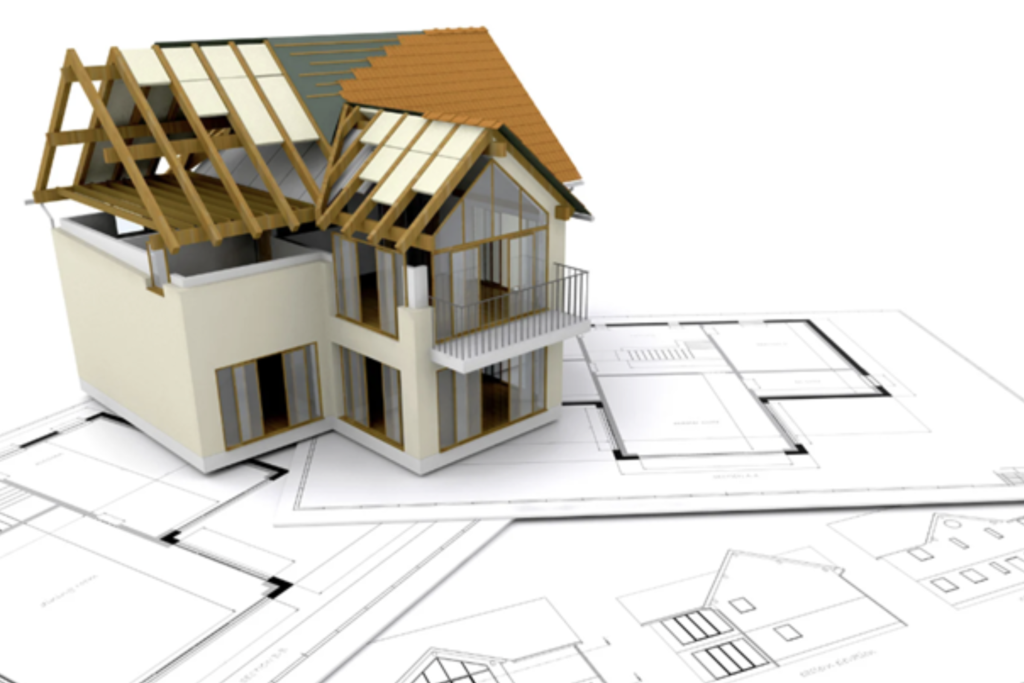
Buying land for a custom home is thrilling — but knowing what to check before buying land in Ontario is what protects you from costly surprises. Falling in love with a lot’s views or charm isn’t enough: you also need to make sure it’s truly buildable. At Ever After Homes, we’ve guided many clients through that early due-diligence journey so your first step is a smart one.
Understanding the Process of Buying Land in Ontario
Here are 7 essential checks every prospective land buyer should make before signing an offer.
1. Zoning Restrictions
One of the main considerations in Buying Land in Ontario is the zoning restrictions that apply.
Municipal bylaws will determine what you can build, how large, and how close to lot lines.
- Review the local municipal zoning maps and download the zoning bylaw.
- Make sure you understand any overlay zones (for example, conservation, floodplain, or environmental).
- Ask your municipal planning department for clarification on anything that’s confusing.
- Confirm permitted uses — is residential building allowed? Are there restrictions on building height or lot coverage?
If you skip this step, you risk discovering after buying that your dream home plan doesn’t comply.
2. Septic Capacity / Sewer Access
If the property isn’t served by a municipal sewer, a working septic system (or capacity for one) is critical.
- Find out whether the lot has a septic system, and if yes, what its capacity is (especially for how many bedrooms or future expansion).
- Ask for inspection reports or a certificate of approval from the local health or environmental authority.
- Bring in a septic professional to assess whether the existing system is adequate — or whether you’ll need to redesign or expand it.
Overlooking this can lead to serious water or wastewater problems later — or more expense than you bargained for. Tha’s why understanding septic capacity is vital when Buying Land in Ontario.
3. Soil Conditions to Review Before Buying Land
The type of soil beneath your feet influences foundation costs, drainage, and even septic design.
- Conduct a soil test (and possibly a percolation test) to understand whether the soil is clay, rock, sand, or loam.
- Rocky soil may require more excavation, while clay can hold water and impact drainage.
- If you’re planning a septic system, the perc test will show whether the soil is suitable for leach/drain fields.
- Check local regulations (or consult a geotechnical or engineering expert) if more extensive work (like tile drainage) is needed.
4. Easements & Title Restrictions
Understanding easements is crucial in Buying Land in Ontario.
Easements are legal rights that others may have on parts of your property — and they can impact how, where, or whether you build.
- Order a title search to uncover recorded easements, covenants, or rights-of-way.
- Confirm if neighbouring properties or utility companies have access to the land that could impact your building envelope.
- Ask how these easements might affect your plans (for example, will you need to keep a corridor clear for utilities?).
- Consider title insurance — but don’t assume it covers all construction-related risks tied to easements.
5. Grading & Drainage
Proper grading and drainage should be a priority when Buying Land in Ontario
Water doesn’t lie — unless you don’t check how it flows. Poor drainage or grading can lead to standing water, erosion, or worse.
- Ask for a lot grading plan or check whether your municipality requires one before building.
- Visit the site after a rainfall to see how water behaves. Does it pool? Flow off the land or stay in spots?
- Make sure there is a clear path for runoff, and that nearby lots or natural features don’t channel water toward your future build.
- Think about erosion control and how your landscaping and building placement will handle water over time.
6. Utility Access
Access to power, water, and other utilities can make a huge difference in cost and feasibility.
- Determine how far the lot is to existing power lines, gas networks (if needed), and water mains.
- If relying on well water, test both water quality and well yield.
- Check for internet and cell service, especially in more rural areas — poor coverage is a very real issue.
- Ask about road access: is the road public or private? Who is responsible for maintenance (especially in winter)?
7. Permit Requirements & Timing
Even if everything else checks out, your timeline and budget could be derailed if you don’t account for permitting.
- Consult with your municipal building / planning department about site plan control, building permits, drainage approvals, etc.
- Understand the typical approval timeline — from submitting plans to getting inspections — and budget accordingly.
- Ask what kind of engineered or architectural drawings you’ll need (some municipalities require detailed plans, grading studies, or engineered documentation).
- Make sure to account for permit fees and possible delays in your financial planning.
Final Thoughts
Building a custom home should be an exciting and empowering experience. By performing adequate due diligence before you buy the land you will be prepared for any hurdles. This way, you take control of your project and your investment.
At Ever After Homes, we make sure there are no surprises and no guesswork. That’s why we offer land acquisition assistance and consultation services. We do the due diligence for you before you commit to buying the land.
💬 Ready to take the next step? Contact us today to schedule a consultation about buying Land in Ontario today!. We’ll walk you through our full process, discuss your project’s specific cost, and help you start building your Ever After.
FAQ: Buying Land in Ontario
1) How do I know if land in Ontario is buildable?
Land is considered buildable if zoning allows residential construction, the soil supports a proper foundation and septic system (if applicable), utilities can be reasonably accessed, and there are no legal or environmental restrictions preventing construction. Consulting the municipality and working with a custom home builder early can help verify this.
2) Do I need a soil test before buying land in Ontario?
Yes. A soil test — and often a percolation test — is highly recommended before purchasing land in Ontario. Soil conditions affect foundation design, drainage, and septic feasibility. Skipping this step can lead to unexpected engineering costs after purchase.
3) What are easements, and why do they matter when buying land?
Easements are legal rights that allow others (such as utility companies or neighbours) to use part of your land. When buying land in Ontario, easements can limit where you build or require you to keep certain areas clear, which may impact your home’s layout or placement.
4) Should I work with a custom home builder before buying land?
Yes. Working with a custom home builder before buying land can save time, money, and stress. Builders like Ever After Homes can help assess buildability, flag potential issues early, and guide you through due diligence so your land supports your vision — not limits it.
5) What can prevent land in Ontario from being buildable?
Several factors can make land in Ontario difficult or impossible to build on, including restrictive zoning bylaws, poor soil conditions, floodplain or conservation overlays, insufficient septic capacity, unresolved easements, or lack of utility access. Identifying these issues before purchase helps avoid costly redesigns and delays.