
You love where you live, your street, the neighbors, and you love being close to everything important to you and your family. However, you feel that your home just doesn’t work like it used to.
You’ve started to notice that maybe the layout doesn’t make much sense, or the kitchen is too small, your master suite never really existed and you’ve had the basement at “almost finished” for years now. Whatever the reason, you’re asking yourself a question that thousands of Ontario homeowners face every year: should I renovate, add on, or start fresh and build new?
Truly, it depends, and the right path is different for every household. This guide will walk you through all three options clearly, so you can move forward with confidence and stop second-guessing.
Why This Decision Feels So Hard
All three options can work., which is what makes the decision a tough one. Unlike choosing between two clear opposites, renovating, adding on, and building new each have genuine advantages, and they also carry real risks if the fit isn’t right for your specific situation.
Getting this decision wrong can be expensive. For example, a major renovation that uncovers hidden structural problems can quickly match the cost of a full rebuild. Or, an addition that isn’t well-suited to the existing structure can feel awkward and dated after it’s done. And of course, building new when your existing home has more life left in it can mean unnecessary cost and disruption.
The goal is to make a grounded, informed decision that reflects your home’s potential, your property’s constraints, and how you want to live moving forward.
Option 1 — Renovate What You Have
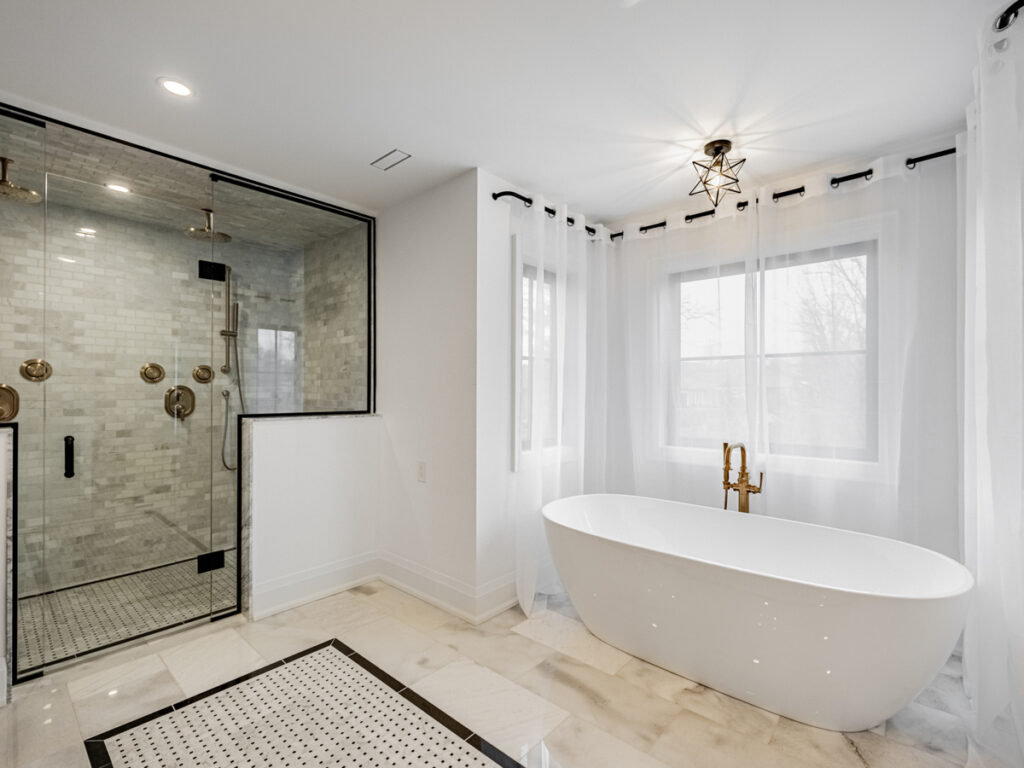
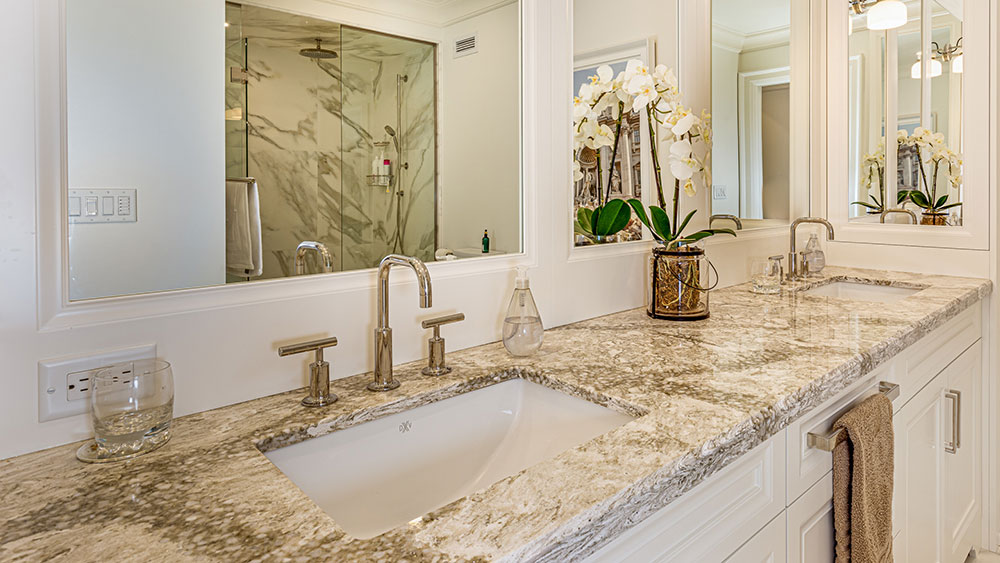
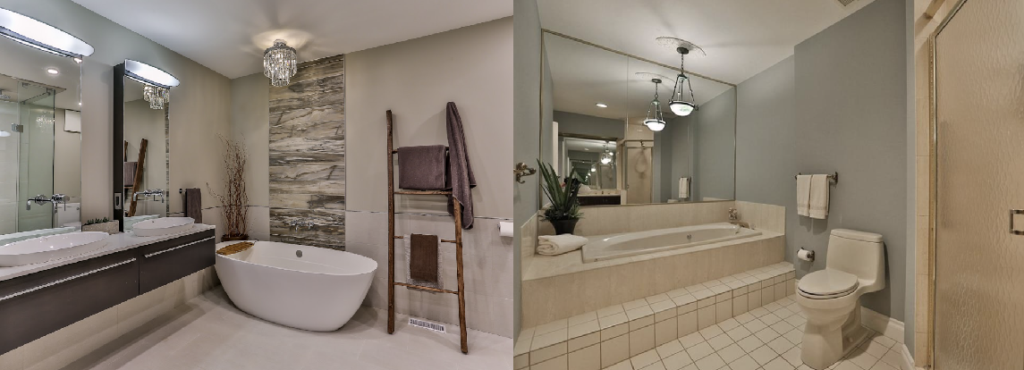
When does renovation make the most sense?
Renovation is the right choice when your home has good bones. If your home has a solid structure, sound foundation, and a good layout, it can be elevated into a home that truly reflects your lifestyle with the right updates. If you love the character of an older home and want to preserve what makes it special, renovating can bring a more modern look without starting over. Large renovations can also be done in phases, which means you can spread your investment over time.
That said, there are trade-offs to phasing a renovation. While it allows you to stay in your home and spread out the investment, it can also lead to higher overall costs. Work is repeated across multiple stages, meaning trades are brought in more than once instead of completing everything in a single, coordinated effort.
This option works especially well when the scope is focused. This means breaking the overall project into smaller, focused upgrades such as a full kitchen renovation, updating dated bathrooms, or properly finishing the basement.
When is renovating not the best option?
The challenge with renovation, especially with older homes like the ones you may find in the Southern Ontario region (Burlington, Oakville, Hamilton, and the surrounding areas) is what you find after opening the walls. This could be outdated wiring, inadequate insulation, plumbing that hasn’t been touched in decades. These discoveries happen often, and they quickly add to the cost of the project. A project that started as a kitchen renovation can later evolve into something much larger once the scope of what’s behind the walls is revealed.
Renovating also has limits when the fundamental layout of the home doesn’t work. You can update finishes, but you can’t always fix a home’s floor plan with just renovation.
Option 2 — Add On to Your Existing Home
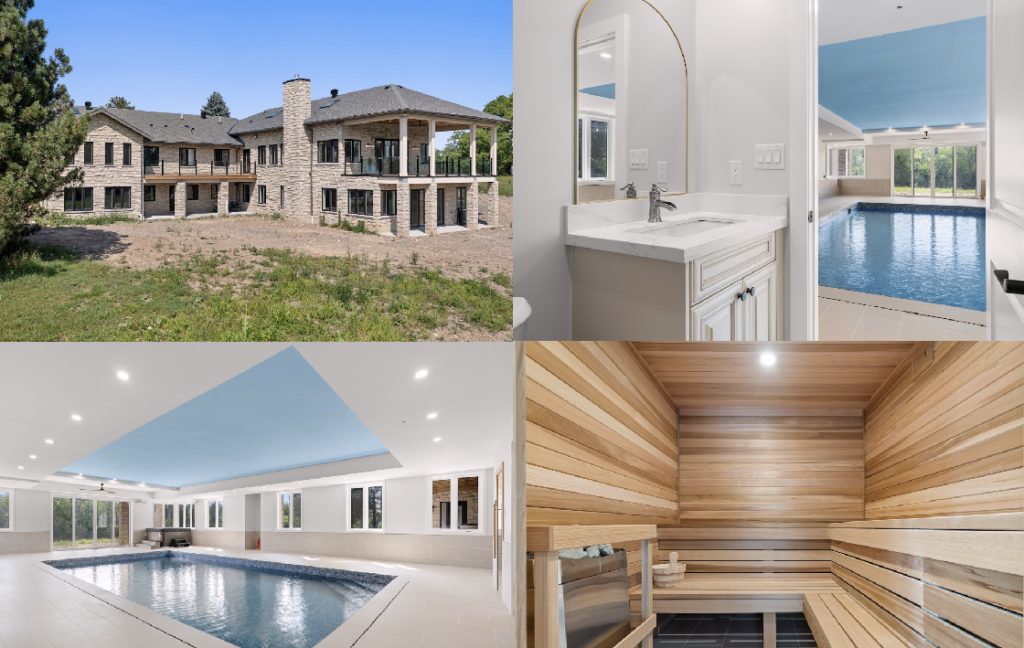
When does an addition make the most sense?
A home addition is worth exploring when your home works well overall, but you feel like there’s not enough space anymore. A growing family, a need for a dedicated home office, or the desire for a primary suite are all situations where adding square footage can transform how your home functions without necessarily touching spaces that already work.
Additions are most effective when your lot has the room to accommodate them and your existing home’s structure can support a new connection. Before committing to this, it’s worth understanding your property before you decide]. This means having a clear perception of zoning setbacks, lot coverage limits, and the condition of your existing structure. These all factor into what is actually doable for an addition. [LINK: – Lot Checklist]
When is an addition not the best option?
An addition to an older home carries similar risks to renovating. The work that connects new construction to the existing structure often reveals the same hidden issues that are uncovered with full renovations (poor internal systems, outdated materials, etc). Additions that are not properly planned can also feel disconnected from the rest of the home, both visually and functionally.
If the addition you need is too large and would affect a large part of your home anyway, it’s worth considering whether you’d be better served by building new.
Option 3 — Build New (Teardown and Rebuild)
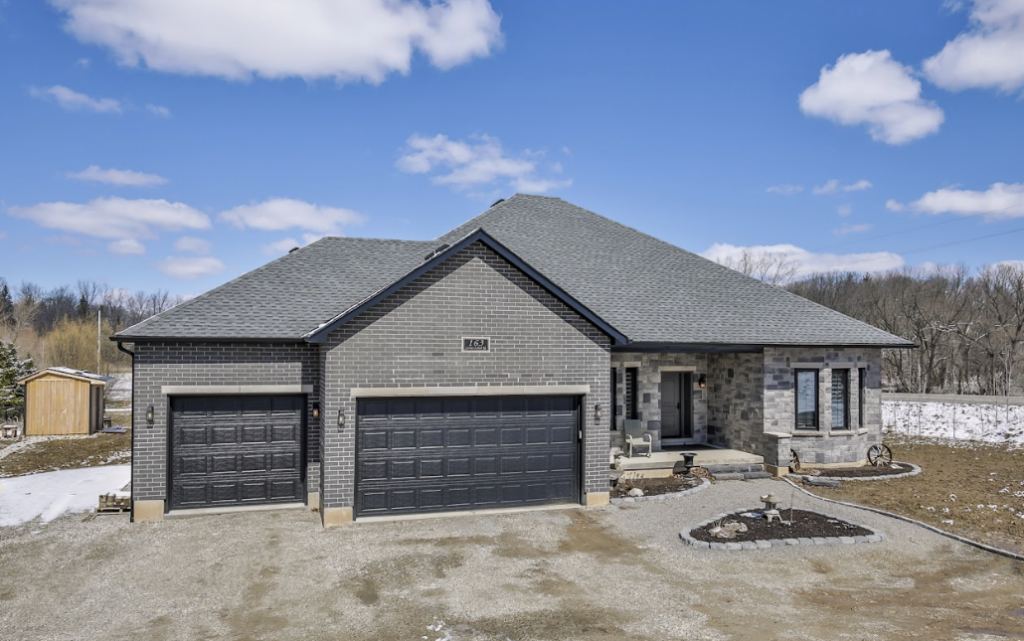
When does building make the most sense?
There comes a point with some homes where the structure, layout, and design have all simply reached the end of their useful life. Specifically regarding structure, major systems like the foundation, framing, electrical, and plumbing might all be in significant need of replacement. In this case, the cost of renovating can approach or exceed the cost of building something new. If this is the point where you’re at, building from scratch gives you complete control over things such as the layout, the energy performance, the materials, and the design.
Tearing down and rebuilding is also the right answer when the existing home’s layout is fundamentally limiting in ways that can’t be solved through renovation or addition. It gives you a clean slate that lets you design around how your family lives, and your own personal vision.
In Southern Ontario’s established neighbourhoods, teardown-rebuild projects are increasingly common because the land is valuable and the existing homes have reached the end of their practical life. For those seriously considering this path, it’s worth understanding what a custom home might cost before going further.
When is building new not the best option?
Building new can take longer than renovating, and it requires you to find somewhere to live during construction. With a new custom build there is also a more complex permitting process. It might not be the right choice if your existing home still has substantial life left in it and your goals can be achieved for a more reasonable cost through renovating or an addition.
A Simple Framework for Making the Decision
If you’re still unsure which path is right for you, work through these four questions:
1. What condition is your home actually in? Has it been properly maintained, or are major systems at or near the end of their life? A pre-construction assessment can tell you a lot about what you’d be getting into.
2. What percentage of the home needs to change? If the answer is “the majority of it” a rebuild could make more financial sense than a large-scale renovation. If it’s 30 to 40 percent, a renovation or addition may be a more cost-effective route.
3. What does your lot allow? Zoning rules, setbacks, and lot coverage limits determine what’s possible before any decision is made. The particularities of your property may have restrictions.
4. What’s your realistic budget, and what will each option actually cost? Renovation cost-per-square-foot can be comparable to new construction when the scope is significant, but it can also be higher when hidden issues are factored in. Having a realistic read on numbers early prevents expensive surprises later.
You Don’t Have to Figure This Out Alone
This decision doesn’t have to be made on your own. The best outcomes happen when homeowners receive a clear understanding on what’s actually possible before they commit to a direction.
At Ever After, the early conversation is exactly what our feasibility process is designed for. It’s a chance to understand your options clearly, with someone who’s done this many times before and without pressure to immediately decide. Learn more about how Ever After approaches early planning.
Not sure which direction is right for you? Ever After can help you think through the options before you commit to anything. Book a no-pressure feasibility conversation.
💬 Book a Feasibility Conversation to explore how we build homes that support real life, beautiful
FAQ: Wellness Design in Your Home
What is wellness design in a home?
Wellness design is a building and interior design approach that focuses on improving health and well-being through cleaner indoor air, healthier materials, better lighting, improved acoustic comfort, moisture control, and greater connection to nature. It helps create homes that support sleep, energy, and long-term comfort.
What are the most important wellness features to include in a custom home?
The most impactful wellness features include:
- Whole-home ventilation (HRV/ERV)
-Strong air filtration
-Low-VOC / low-emission materials
-Moisture management to prevent mold
-Circadian-friendly lighting and daylight design
-Noise reduction through better assemblies and zoning
-Radon-ready construction and testing (especially in Canada)
How do I improve indoor air quality in a house?
To improve indoor air quality, focus on:
-Adding balanced ventilation (HRV/ERV)
-Installing effective HVAC filtration
-Venting kitchen and bathroom fans outdoors
-Reducing VOC sources (paints, finishes, cabinetry)
-Managing humidity levels to reduce mold risk
These upgrades are especially important in newer airtight homes.
What is an HRV or ERV and do I need one in Ontario?
An HRV (Heat Recovery Ventilator) or ERV (Energy Recovery Ventilator) provides continuous fresh air while exhausting stale air. In Ontario’s climate, HRVs/ERVs are strongly recommended for modern airtight homes because windows are often closed for long periods in winter, which can lead to trapped indoor pollutants and humidity buildup.
Should I be worried about radon in the basement?
Yes — radon is a naturally occurring gas that can build up indoors and is a leading cause of lung cancer in non-smokers. Health Canada recommends taking action when radon levels exceed 200 Bq/m³. The best approach is radon-ready construction and post-build radon testing.
What building materials are best for a healthy home?
For a healthier home, choose:
-Low-VOC paints and sealants
-Low-emission flooring and cabinetry
-Durable materials that resist moisture
-Minimal synthetic fragrance materials
The best strategy is to pair healthy materials with proper ventilation during and after installation
How does lighting affect wellness at home?
Lighting affects the body’s circadian rhythm, which influences sleep, energy, and hormones. Wellness design prioritizes:
-Strong natural daylight in morning spaces (kitchen, living areas)
-Layered lighting with dimmers
-Warmer lighting options in the evening
What is biophilic design and why does it matter
Biophilic design brings elements of nature into the home through daylight, views, natural textures, greenery, and indoor-outdoor flow. It supports reduced stress, improved mood, and greater overall well-being.
Can wellness design be added during a renovation or addition?
Yes — wellness upgrades can absolutely be incorporated into renovations and additions. Common wellness improvements include:
-Ventilation improvements
-Upgraded insulation and airtightness
-Better windows and sound reduction
-Healthier material selection
-Lighting improvements
-Basement moisture/radon strategies
How do I know what wellness upgrades are worth the investment?
The best wellness upgrades are the ones that improve daily life, not just resale value. If you want the biggest return on comfort and health, prioritize air quality (ventilation/filtration), moisture control, daylight/lighting strategy, and acoustic comfort.