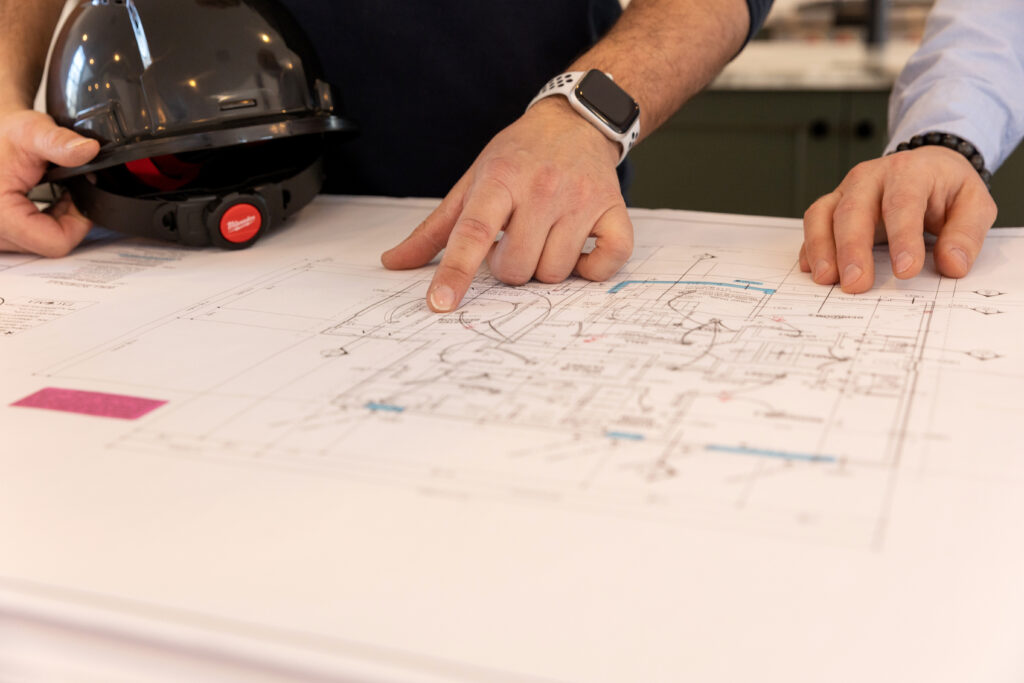
When planning a custom home in Ontario, one of the first and most important documents you’ll receive is your builder’s estimate. Understanding where your money is going and what’s included helps you make confident, informed decisions before you begin.
At Ever After Custom Homes, we believe that clarity builds trust. Our open-book, cost-plus model gives you full visibility into every number.
To get a better understanding of how custom home budgets are structured, download our Cost Guide. It walks you through typical cost ranges, real examples, and what impacts your final price per square foot.
Let’s walk through the main parts of your builder’s estimate and how to read them with confidence.
1. Hard Costs in a Builder’s Estimate: Structure and Materials
Hard costs are the physical components that make up your home. They include both materials and labour.
Examples:
- Framing, roofing, insulation, drywall, windows, and doors
- Plumbing, electrical, and HVAC systems
- Flooring, cabinetry, countertops, tile, and paint
These typically account for 70 to 80 percent of your total build cost and can vary based on materials, finishes, and site conditions.
Tip: If you notice large price differences between estimates, review what each builder’s estimate includes or excludes in the hard cost categories.
2. Soft Costs: The Planning and Professional Services
Soft costs cover everything that happens before and during the management of your project. They do not appear in the walls or foundation, but they are essential to getting your home designed, approved, and built properly.
Examples:
- Architectural and engineering drawings
- Building permits and development fees
- Design consultations and project management
- Insurance, inspections, and professional services
Soft costs often represent 10 to 20 percent of your overall budget and will depend on your municipality’s requirements and the complexity of your project.
3. Builder’s Estimate Allowances: Your Personalization Budget
Allowances give you flexibility in selecting finishes. They are placeholders for materials that have not been finalized yet, such as tiles, fixtures, and appliances.
Example:
Your estimate might include a $20,000 kitchen allowance. If you select finishes that total $18,000, you save the difference. If your selections total $22,000, you would simply pay the $2,000 difference.
Why this matters: Unrealistic allowances can make a quote look lower than it really is. At Ever After Homes, our allowances are based on real supplier pricing so you can make decisions confidently.
4. Contingencies: The Safety Net for the Unexpected
SusA contingency is a built-in buffer to cover unforeseen conditions such as hidden site issues, minor design changes, or delays.
A healthy contingency, typically 5 to 10 percent, protects your project and ensures that surprises do not derail your budget. Any unused funds remain with you.
5. How Ever After Homes’ Open-Book Model Protects You
Unlike fixed-price builders, Ever After Homes operates with a fully transparent cost-plus model. You see the actual trade and supplier invoices as they come in and receive regular updates as your project progresses.
This means:
- You always know where your money is going
- No hidden markups or surprise fees
- You approve costs before they are incurred
- Our team is motivated to stay efficient and on budget
Transparency and collaboration are the foundation of how we build.
To understand how our process works from start to finish, download our Process Guide. It explains each phase of design, permitting, and construction so you can see exactly how your estimate becomes your dream home.
6. How to Read a Builder’s Estimate with Confidence
When reviewing any custom home builder estimate in Ontario, ask these important questions:
- Does this include both hard and soft costs?
- Are the allowances realistic for the quality I want?
- How is contingency calculated and managed?
- Will I be able to see the actual trade and supplier invoices?
If these questions are not clearly answered, it may be time to reconsider who you are building with.
Final Thoughts
Building a custom home should be an exciting and empowering experience. By understanding your estimate, you take control of your project and your investment.
At Ever After Custom Homes, we make sure there are no surprises, no guesswork, and no hidden numbers — just honest communication and complete transparency from the first conversation to the final walkthrough.
💬 Ready to take the next step? Contact us today to schedule a consultation. We’ll walk you through our full process, discuss your project’s specific cost, and help you start building your Ever After.
FAQ: Builder’s Estimate
1. What should a builder’s estimate for a custom home in Ontario include?
A well-prepared builder’s estimate should clearly outline all the key components of your project, including hard costs (materials and labour), soft costs (design, permits, and professional services), allowances for finishes, and a contingency for the unexpected. When everything is clearly explained upfront, you can move forward feeling informed, supported, and confident in your decisions.
2. What’s the difference between hard costs and soft costs when building a custom home?
Hard costs are the tangible parts of your home — the structure, systems, and finishes that bring your space to life. Soft costs support the journey behind the scenes, covering things like architectural drawings, permits, inspections, insurance, and project management. Both are essential to creating a home that’s thoughtfully designed and responsibly built.
3. What are allowances in a custom home estimate, and how do they affect my budget?
Allowances are flexible budget placeholders for selections you’ll make later, such as cabinetry, tile, plumbing fixtures, or appliances. Thoughtfully set allowances help you personalize your home without stress. When allowances are based on real supplier pricing, you’re able to make choices that reflect your lifestyle — without unexpected budget adjustments along the way.
4. Why is a contingency important in a custom home budget?
A contingency provides peace of mind. It’s a built-in buffer, typically 5 to 10 percent of the total build cost, that helps manage unforeseen conditions or small changes as your project evolves. If it isn’t used, those funds remain yours. It’s simply there to ensure your build stays calm, steady, and supported from start to finish.
5. How does Ever After Homes’ open-book, cost-plus model support homeowners?
Our open-book, cost-plus approach is rooted in transparency and trust. You see real trade and supplier invoices, receive regular updates, and approve costs before they’re incurred. This collaborative process removes guesswork, eliminates hidden fees, and keeps you connected to your home’s journey — every step of the way.